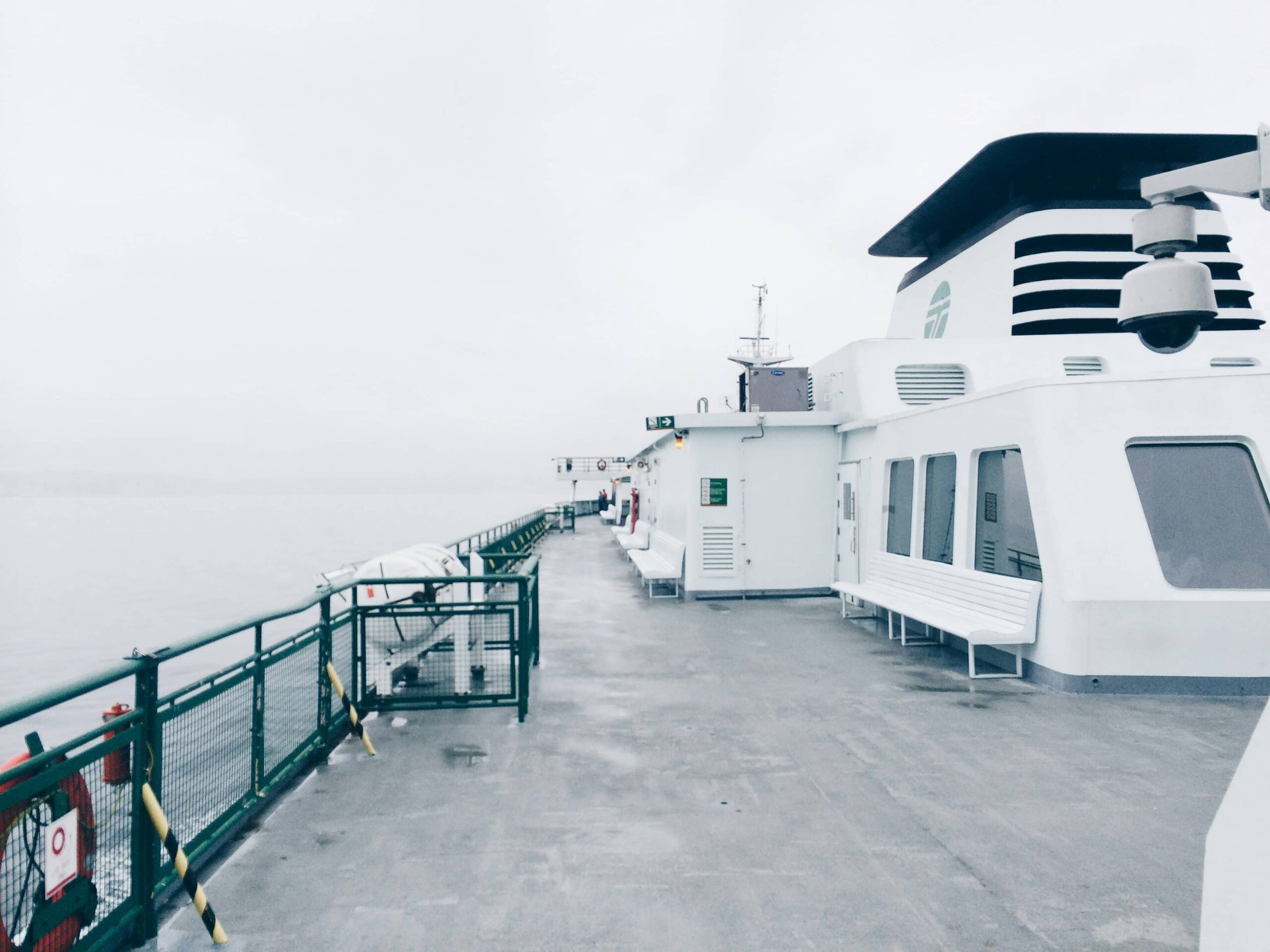
The history of ship deck coatings
Services: Non Slip Marine Deck Applications, Ship Deck Protective Paint
Ships have been traveling through waters for centuries and action has been required to protect the vessels against prolonged exposure to the elements and Remora/Echeneis also known as fouling. The earliest mention of ship coatings dates back to the Ancient Phoenicians who are believed to have used pitch and possibly copper sheathing on the bottom of their ships.
Wax and tar were said to be used by the Greeks to mitigate the impact of sun and salt water.
During the Middle Ages, lead-based paints started to be used as protective coatings to provide improved protection against fouling compared with earlier methods.
Copper sheathing then came into play in the 18th and 19th century and was used by the Royal Navy to prevent biofouling and to help extend the life of a ship.
The early 1900s saw the development of synthetic resins and plastics for use in ship deck coatings as they were found to provide better protection against corrosion and wear.
Today, paint has become the substance of choice for ships, whether that’s anti-fouling paints for the hull or specialist anti-slip paints for the ship deck. These protective coatings typically include epoxy or polyurethane to provide superior durability, chemical resistance, and adhesion properties.
The history of ship deck coatings has evolved from natural substances such as wax and tar to highly complex chemical paints designed to meet the demands of current maritime operations whilst minimizing their environmental impact.